


Hey! Thanks for reading The Trogon! Want more? Click here to access The Trogon: Middle East Briefs, a WhatsApp channel with near-daily summaries of what’s happening in the Middle East. Be sure to share and follow for the latest developments!
Also, if the article cut off, head to thetrogon.com to view the rest!

October 27, 2026
Israel’s Election, in Photos
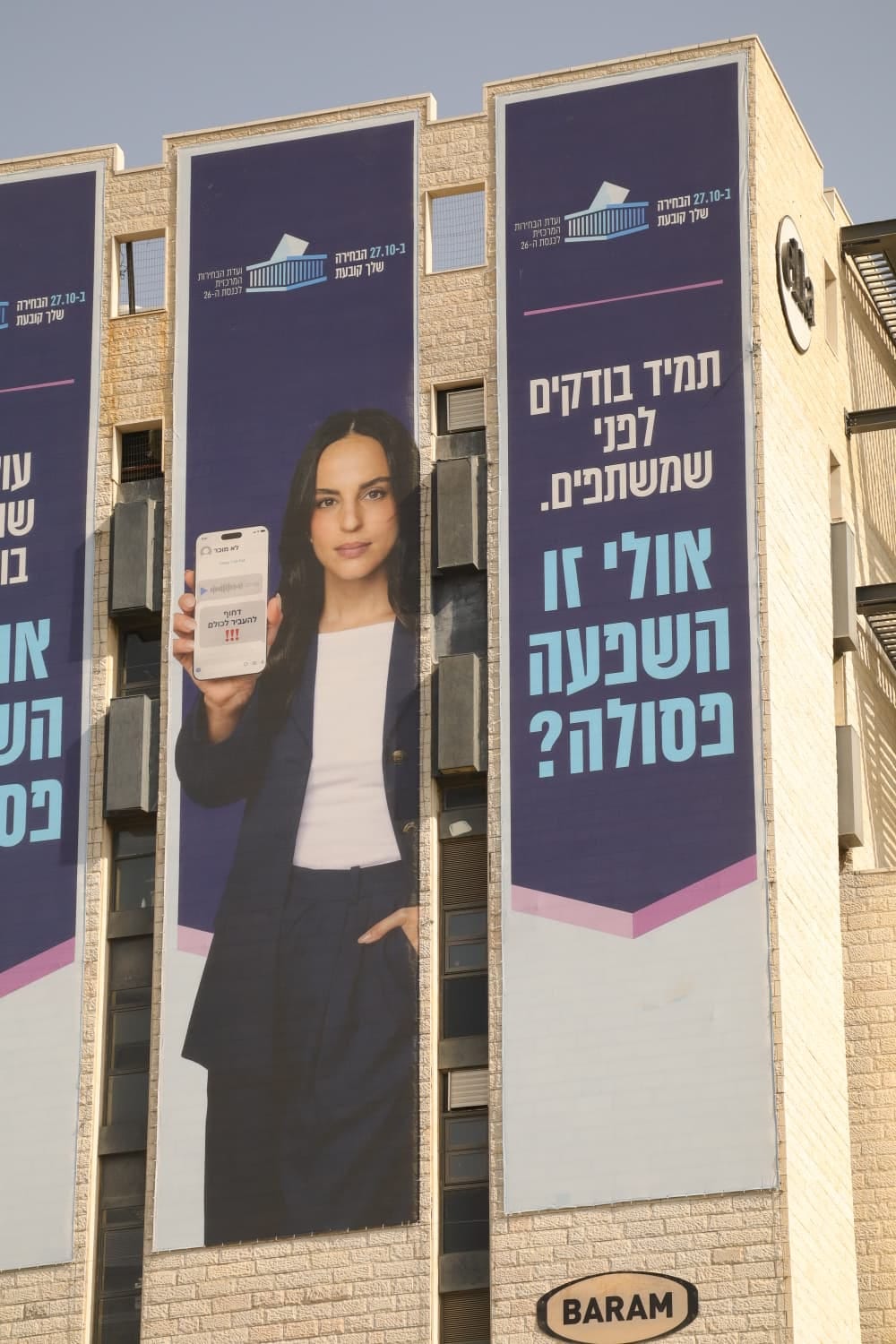
A poster from the Central Elections Committee for the 26th Knesset, encouraging voters to “always check before you share. Maybe it’s foreign interference?” Oct. 23, 2026, in Jerusalem, Israel. (Sammy Jacobs/The Trogon)
This is the first Israeli election since October 7th and the Gaza War, and it’s also the first since the AI boom began. All three events have contributed to a sharp rise in propaganda and misinformation in Israeli politics, making this election particularly vulnerable. As seen in this first photo, Israel’s Central Elections Committee has sought to fight “invalid interference,” encouraging voters to be more careful before believing everything they see.
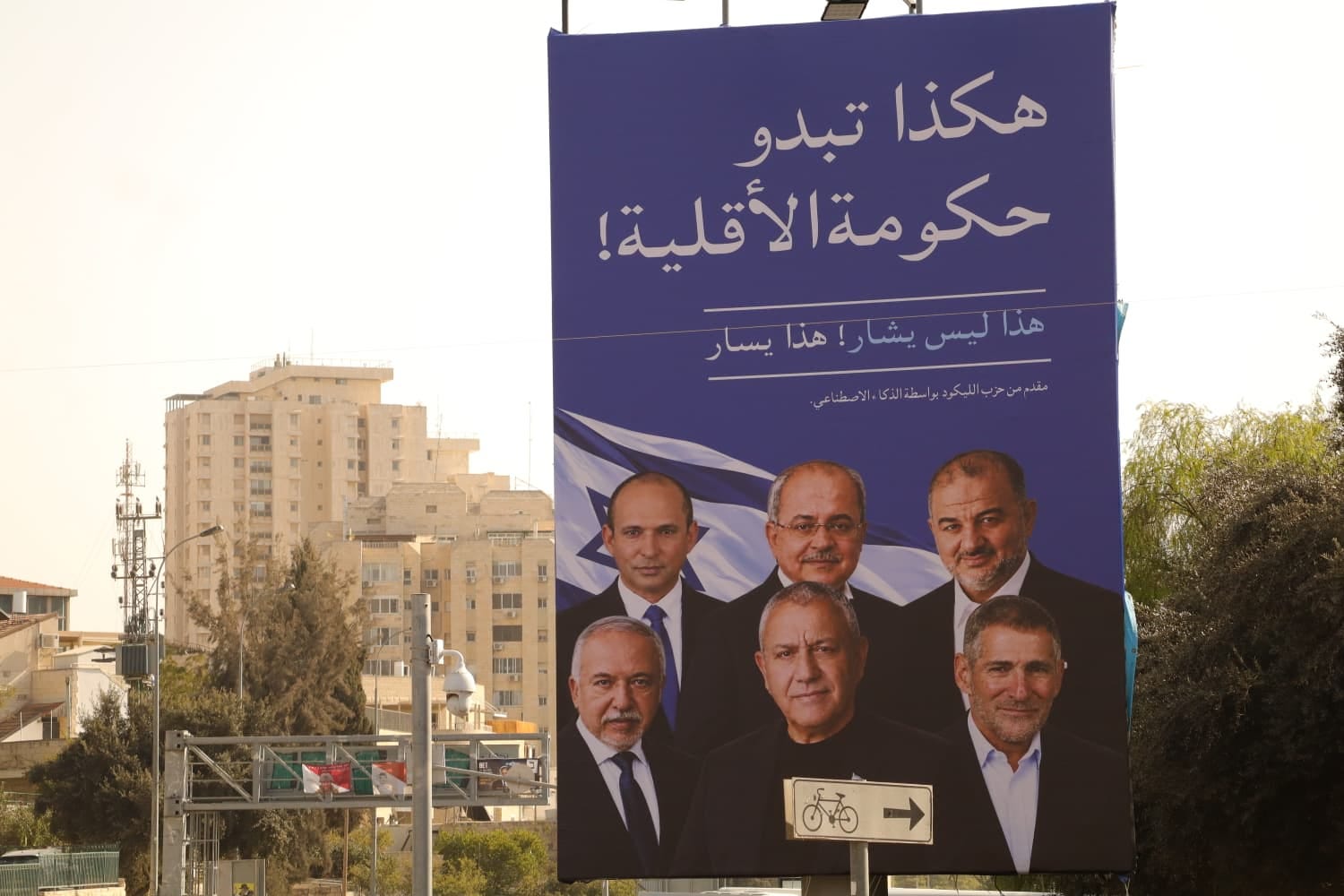
A poster from Likud tells voters in Arabic that “this is what a minority government looks like” while picturing politicians Gadi Eisenkot and Naftali Bennett next to Arabic politicians. The poster discloses that it was “presented by the Likud party via Artificial Intelligence.” Oct. 23, 2026, in Jerusalem, Israel. (Sammy Jacobs/The Trogon)
As part of this initiative, the CEC required all political campaigns to disclose when their ads used artificial intelligence, such as this one from Likud, Prime Minister Benjamin Netanyahu’s party. However, what makes this poster so fascinating isn’t just its use of AI. It’s the fact that it’s targeted towards Israeli Arabs, seeking to portray Gadi Eisenkot, Netanyahu’s main opponent, as “leftist” and willing to pair with politicians from more center-left circles. Although Arabs tend to vote for these parties, this may reflect a rare outreach to more conservative Arabs who enjoy security within Israel.
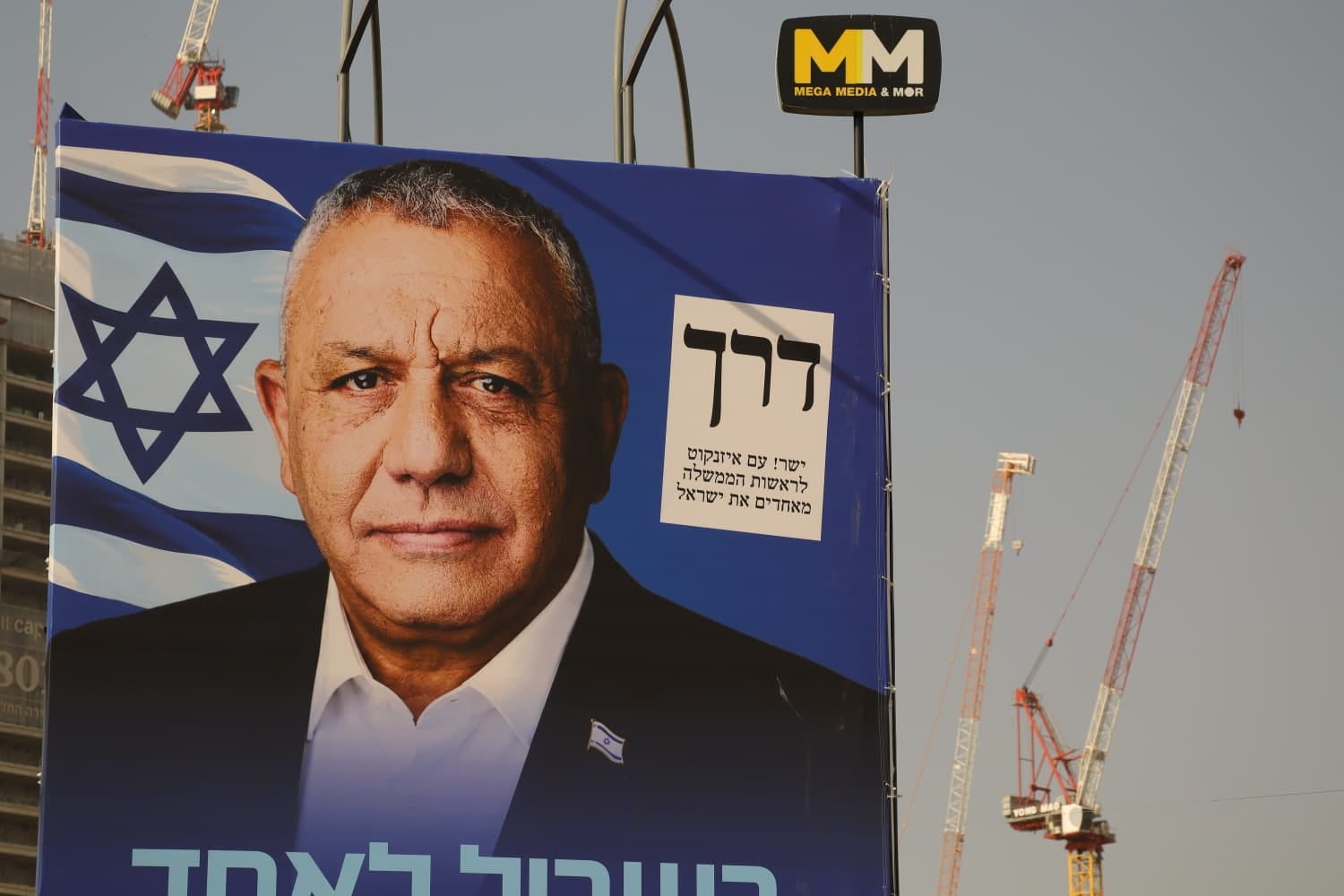
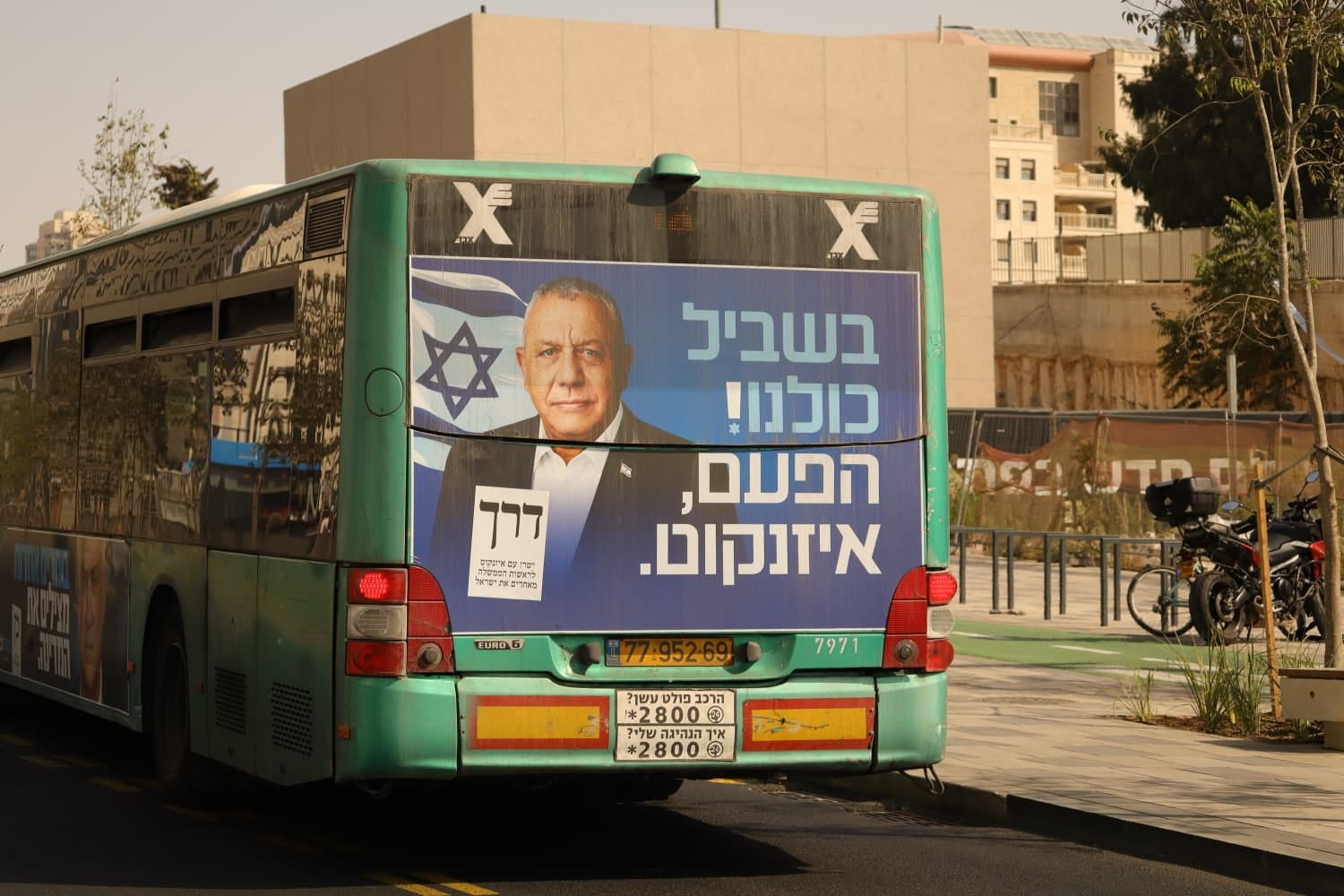
Posters featuring Gadi Eisenkot urge people to vote for Yashar. They state: “For all of us! This time, Eisenkot.” Oct. 23, 2026, in Jerusalem, Israel. (Sammy Jacobs/The Trogon)
Eisenkot, the party leader of Yashar, has emerged as one of the leading figures of Israel’s opposition. After serving under Netanyahu as Chief of Staff of the Israel Defense Forces and later as a minister, Eisenkot became increasingly critical of Netanyahu’s handling of October 7 and alleged corruption within the government. Portraying himself as a no-nonsense, law-respecting alternative to Netanyahu, Eisenkot founded Yashar, which translates to “straight” or “just,” a year ago and transformed it into a party for change. Eisenkot has attempted to balance a hawkish, militaristic stance on Iran, Gaza, and the Charedi draft while also taking more compromising, liberal views on West Bank settlement and the role of Judaism in state law. Yashar is projected to gain 21 seats.
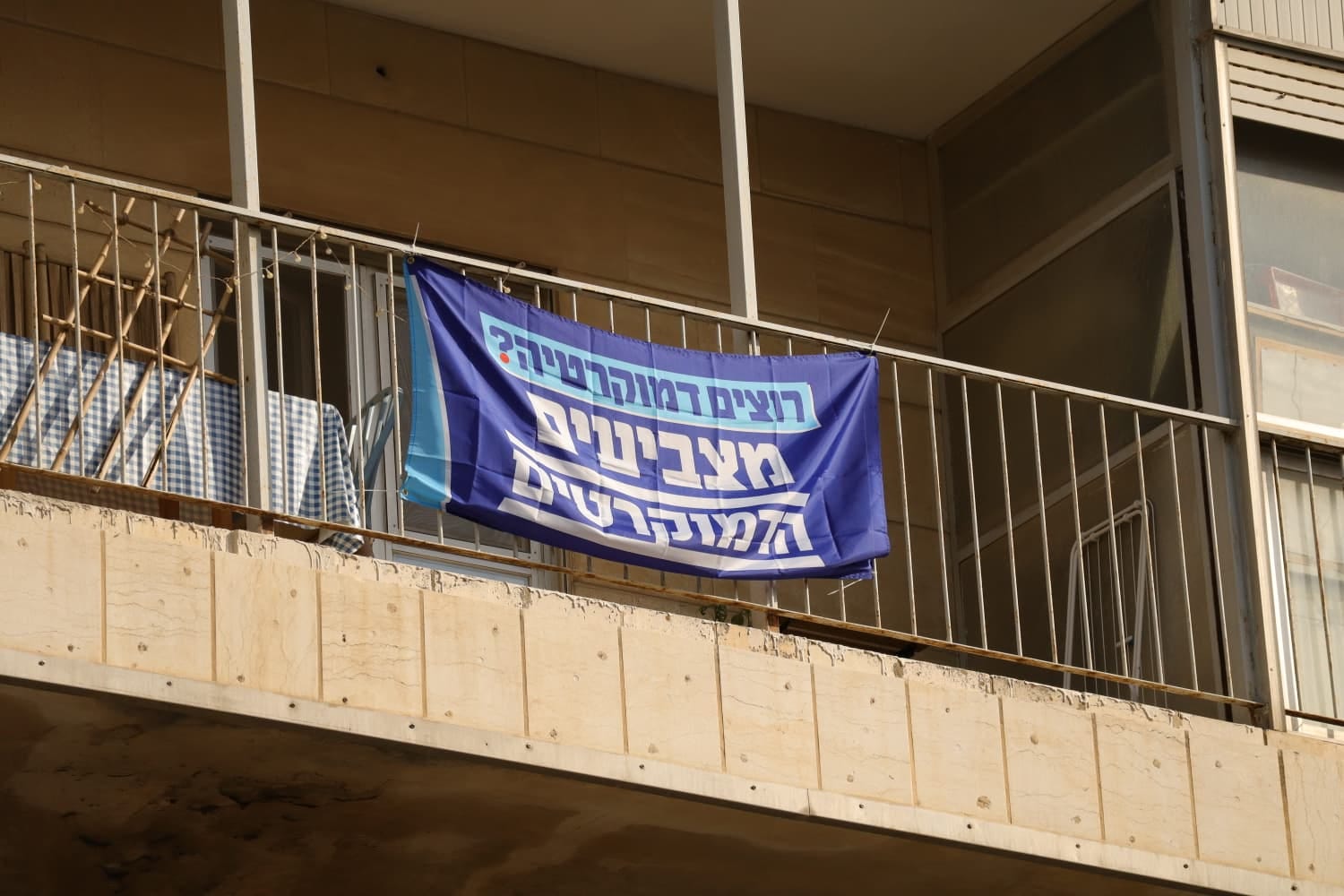
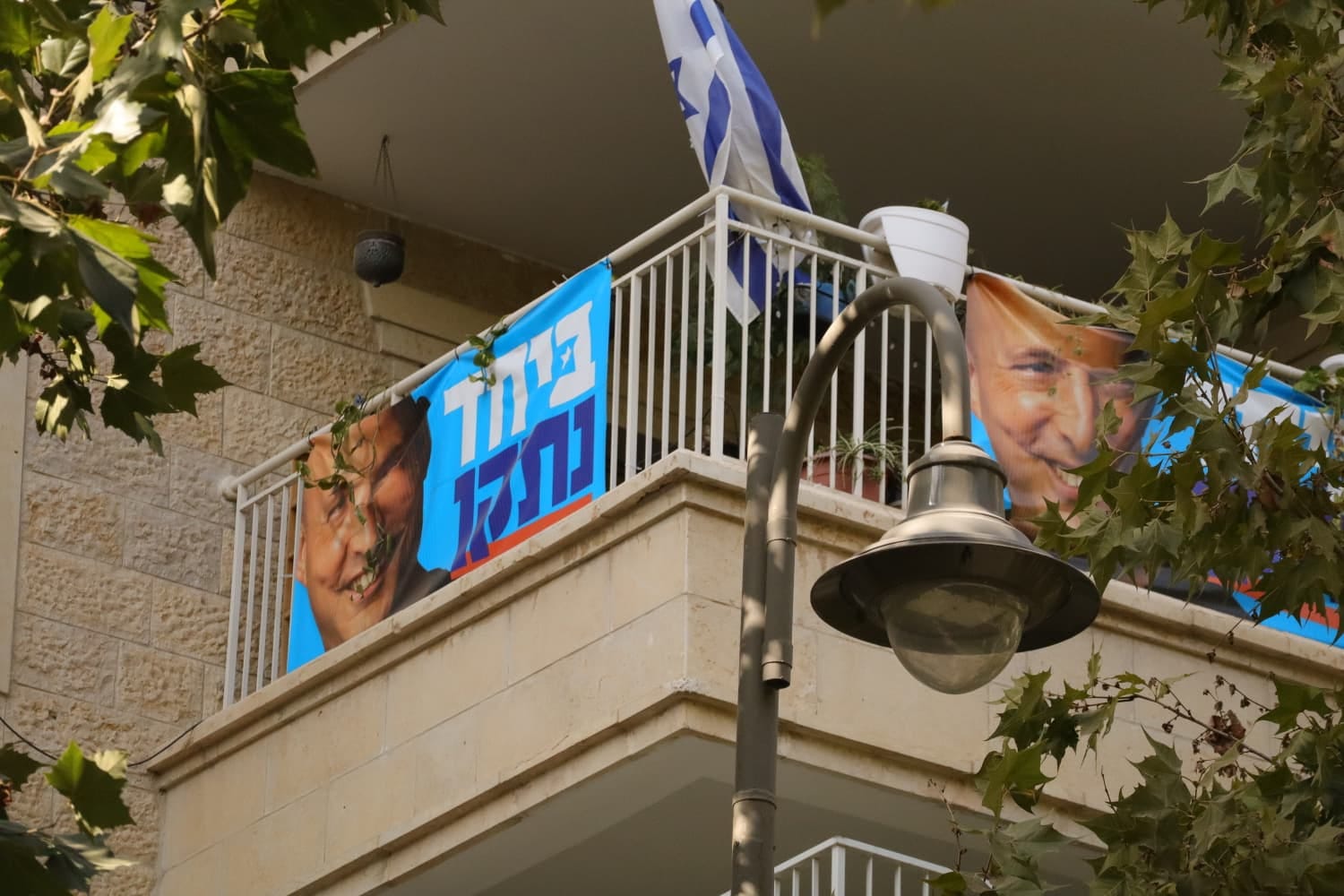
Banners supporting B’Yachad and The Democrats. The banner supporting The Democrats reads: “Want Democracy? Vote for the Democrats.” Oct. 23, 2026, in Jerusalem, Israel (Sammy Jacobs/The Trogon)
Eisenkot has allied himself with center-right and progressive parties, among the most notable being The Democrats and Yisrael Beiteinu. The Democrats is a socialist merger of the Israeli Labor Party, which currently holds 4 seats in the Knesset, and Meretz, which dissolved in 2024. On the other hand, Yisrael Beiteinu is a moderate-conservative party holding 5 seats that in the past aligned itself with Likud but broke off after a bitter dispute in 2018. Both parties share anti-Netanyahu sentiment and are expected to gain seats in this election, yet disagree over partnering with Arab parties, which Eisenkot might need to form a majority government.

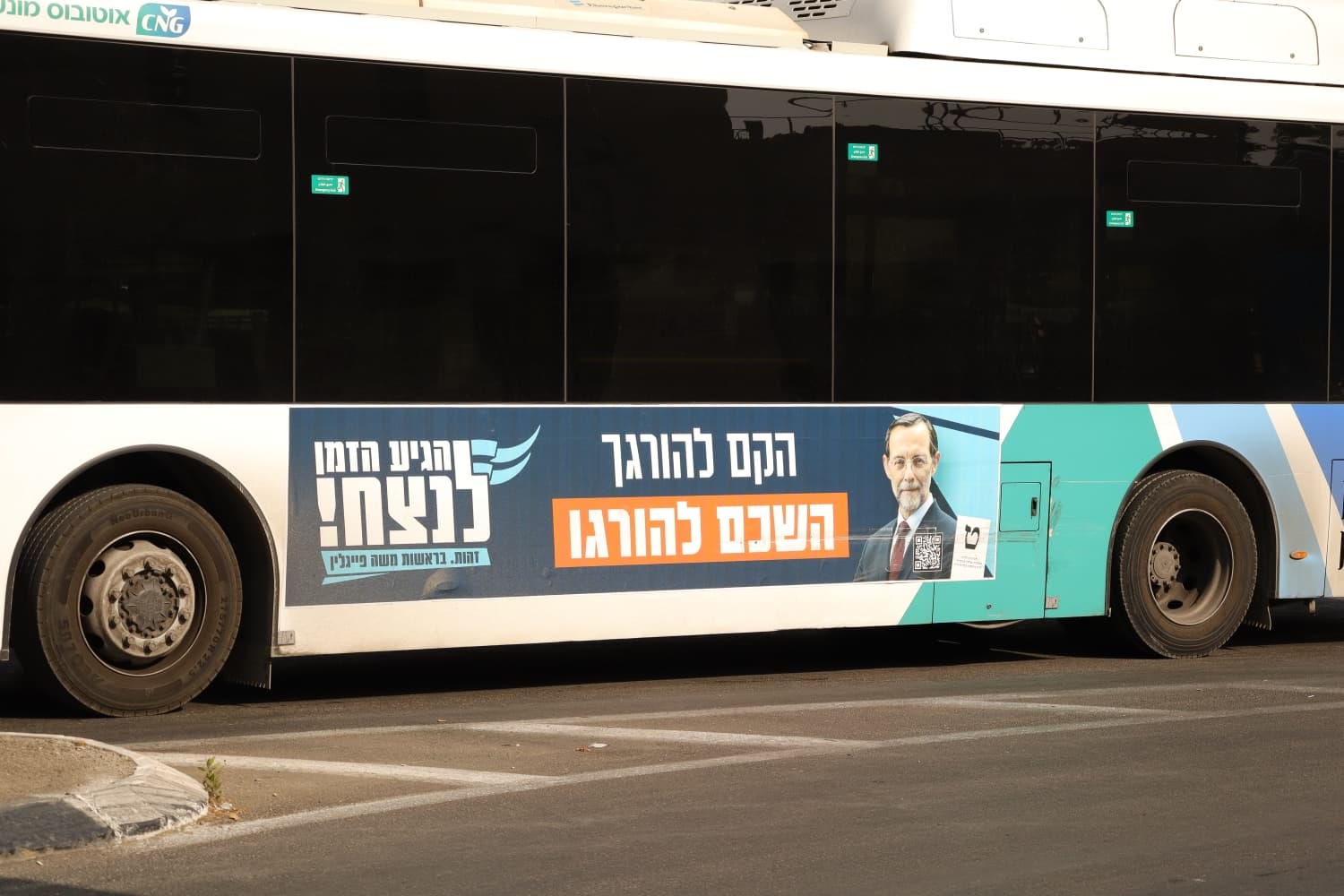
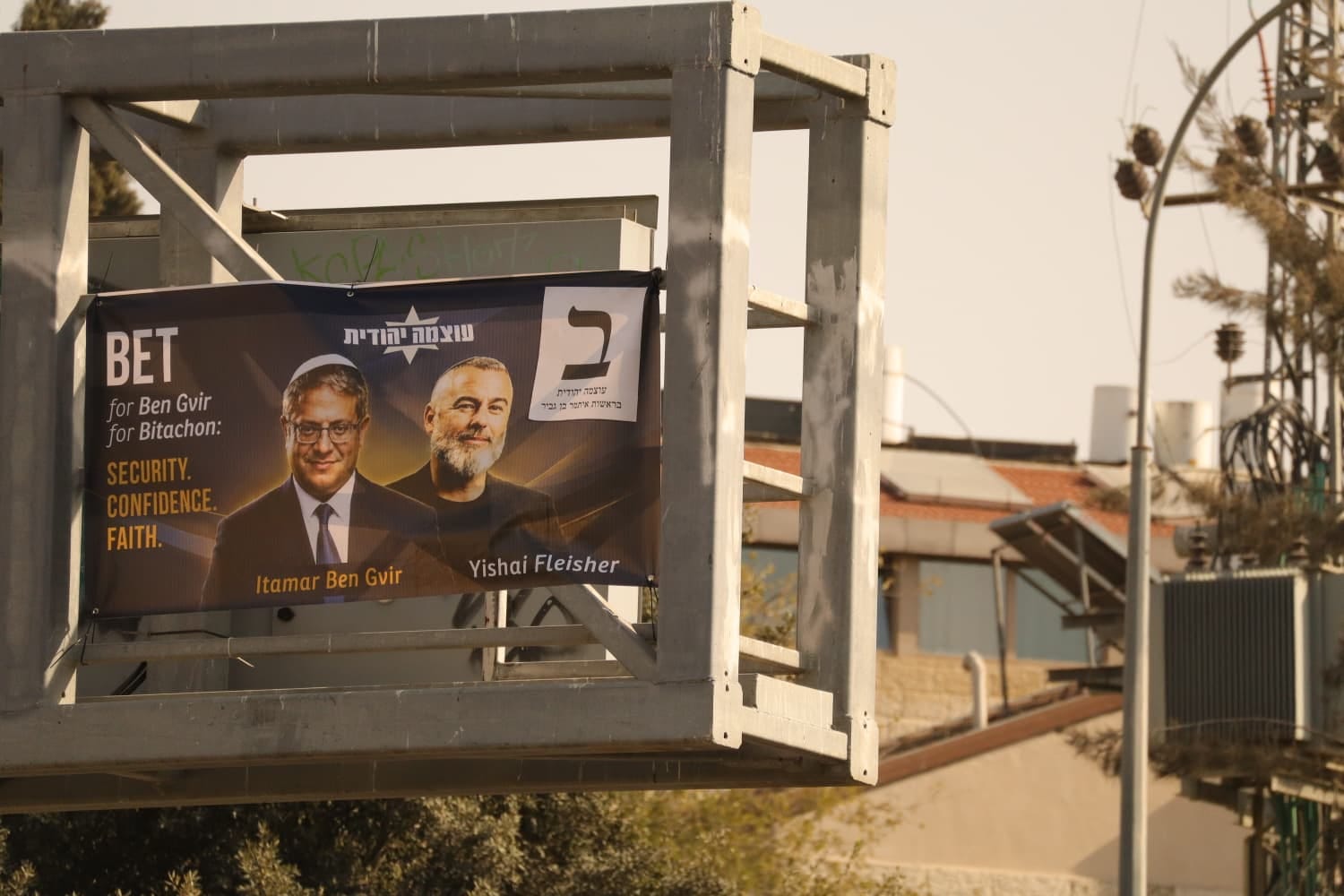
Posters and banners advertising Israeli political parties, featuring Benjamin Netanyahu, Itamar Ben-Gvir, Moshe Feiglin, and Yishai Fleisher. Oct. 23, 2026, in Jerusalem, Israel. (Sammy Jacobs/The Trogon)
In contrast, Netanyahu has allied himself with nationalist, religious parties that opponents have criticized as far-right and extreme. The Religious Zionist Party, headed by Finance Minister Bezalel Smotrich and running on a joint list with Moshe Feiglin’s Zehut party, appeals to religious Israelis who are vehemently nationalistic, supporting unrestricted West Bank expansion, greater enlistment in the IDF among Charedim, and the destruction of Hamas. Otzma Yehudit, led by National Security Minister Itamar Ben-Gvir, is even more hardline and has expanded its base to include more secular Israelis. RZP currently has 7 seats and is projected to hold them, whereas Otzma Yehudit currently has 6 seats and is expected to gain two.
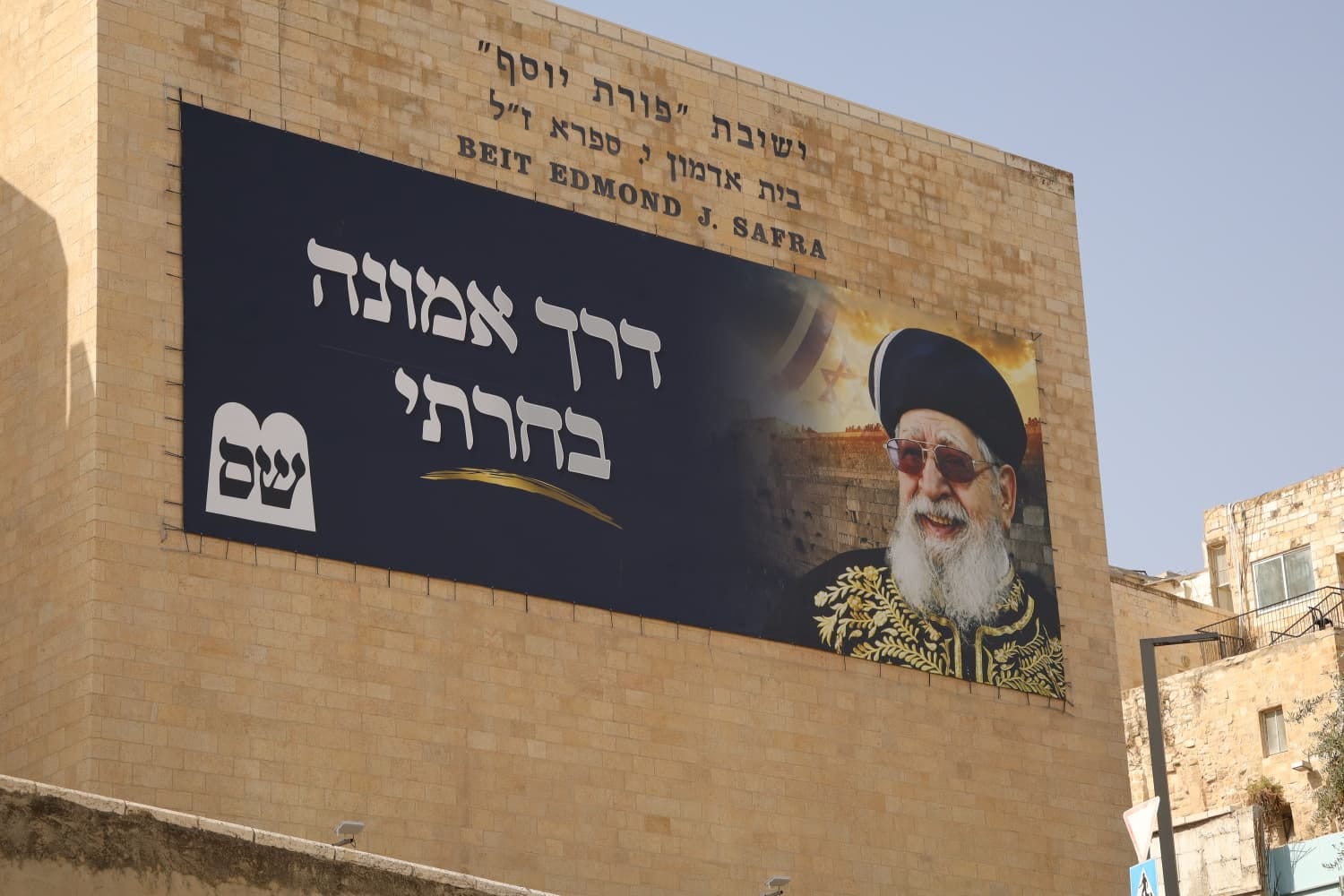
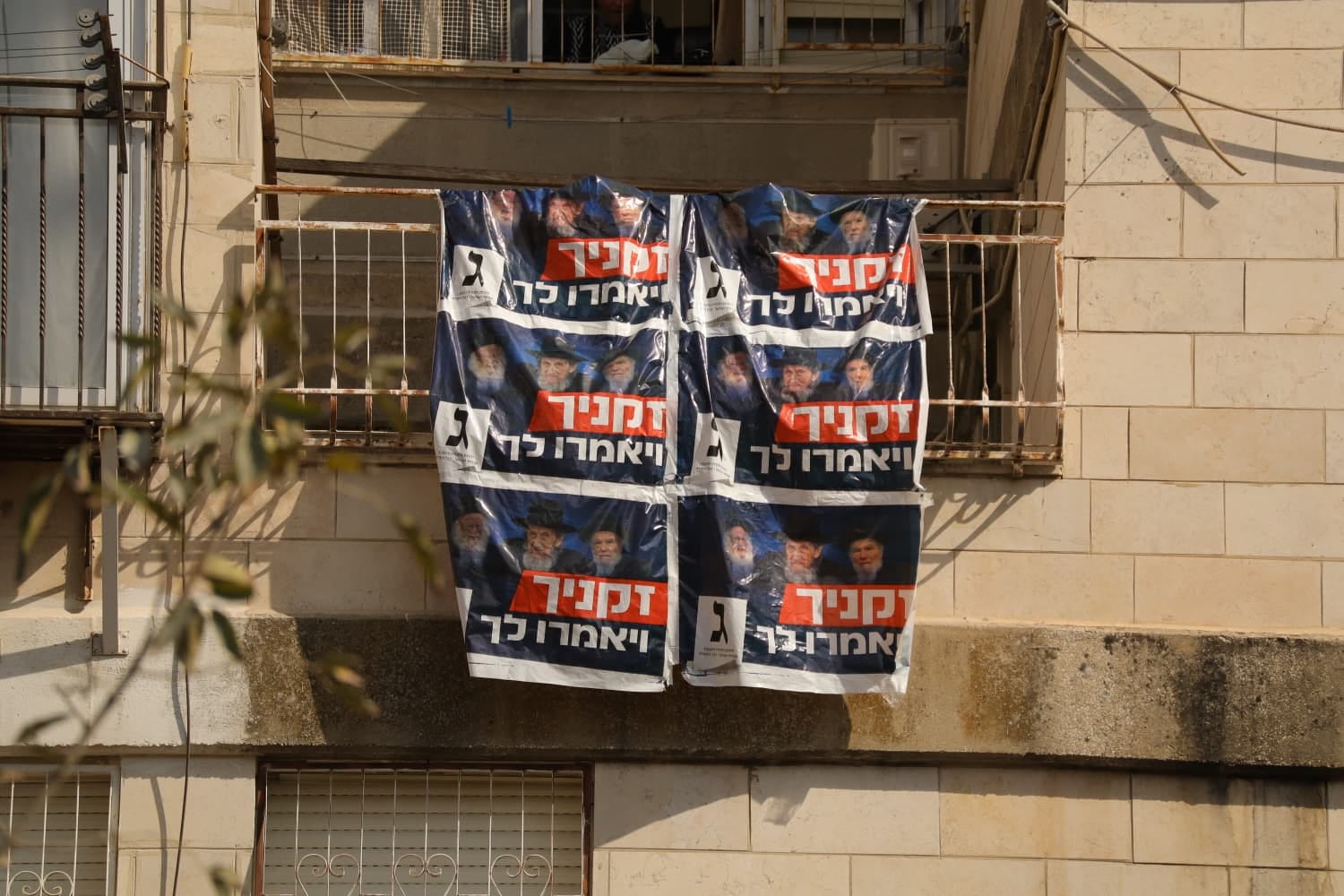
Posters and banners from Shas and United Torah Judaism. The Shas poster states: “The way of faith I have chosen.” Oct. 23, 2026, in Jerusalem, Israel. (Sammy Jacobs/The Trogon)
However, Netanyahu has often relied on Charedi parties, which represent ultra-Orthodox Jews, to form a majority coalition. The most prominent are United Torah Judaism, which serves primarily Ashkenazi and Chasidic Jews, and Shas, which represents Sephardic Jews. Shas has usually been more popular because it reaches more secular Sephardim through cultural outreach, and it currently has 11 seats in the Knesset compared to UTJ’s 7. These parties have argued against Charedi conscription in the IDF, often at the expense of unity within Netanyahu’s more nationalistic coalition.
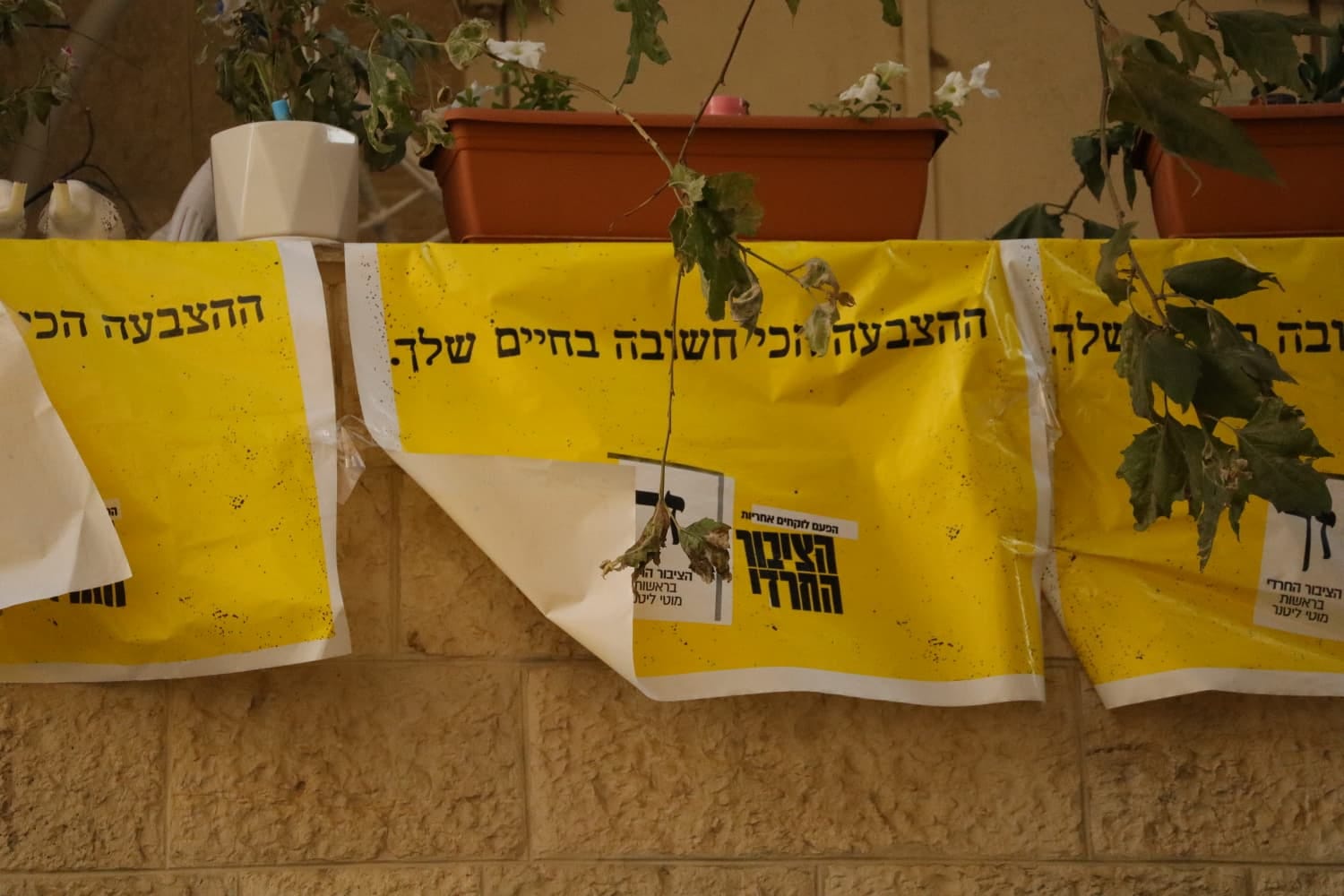
A banner for Charedi Public, which states: “The most important vote of your life.” Oct. 23, 2026, in Jerusalem, Israel. (Sammy Jacobs/The Trogon)
Many Charedim are displeased with Shas and UTJ because of their openness to compromise with the government and to drafting those not fully committed to religious learning. This has led some more hardline Charedi circles to boycott the vote entirely, reducing Charedi turnout in the vote today. Consequently, UTJ is expected to neither lose nor gain seats in an election cycle that has sought to energize the Charedi vote. Additionally, more moderate Charedim who are open to the draft have formed Charedi Public, a party more open to conscription while still balancing the Charedi identity. Along with secular Sephardim upset about Shas’s more conservative stances on the draft, this has led the polls to project a three-seat loss for Shas.
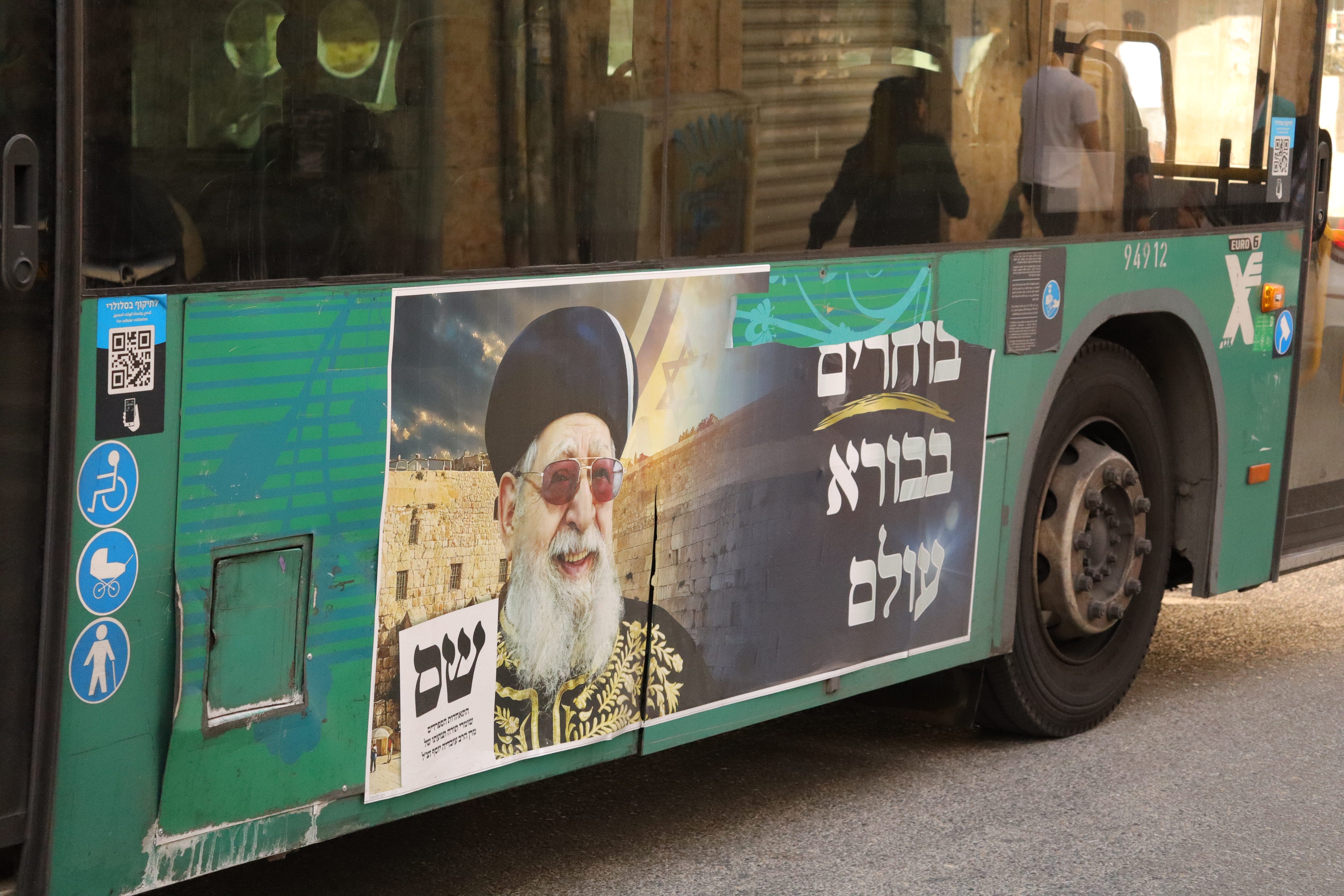

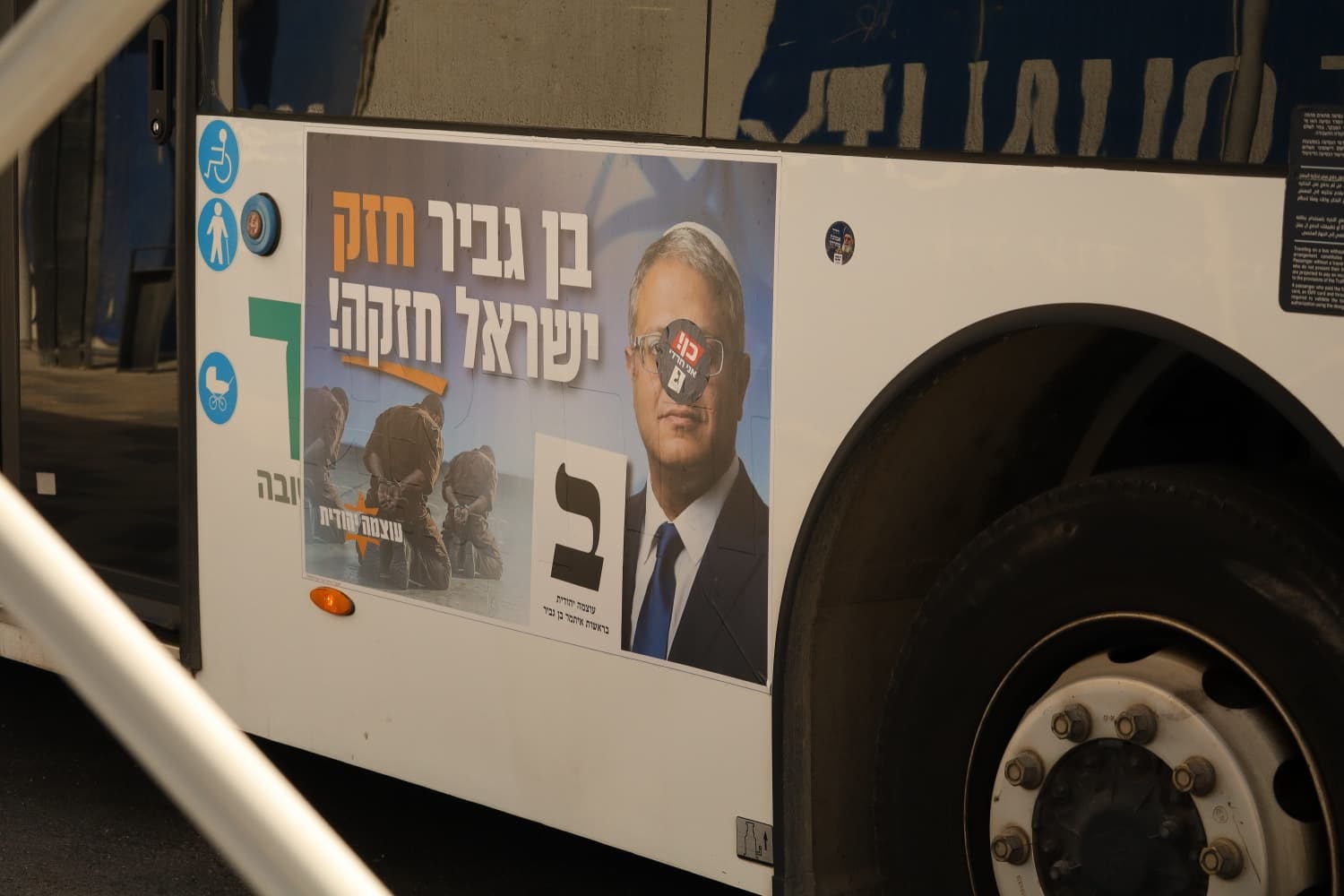
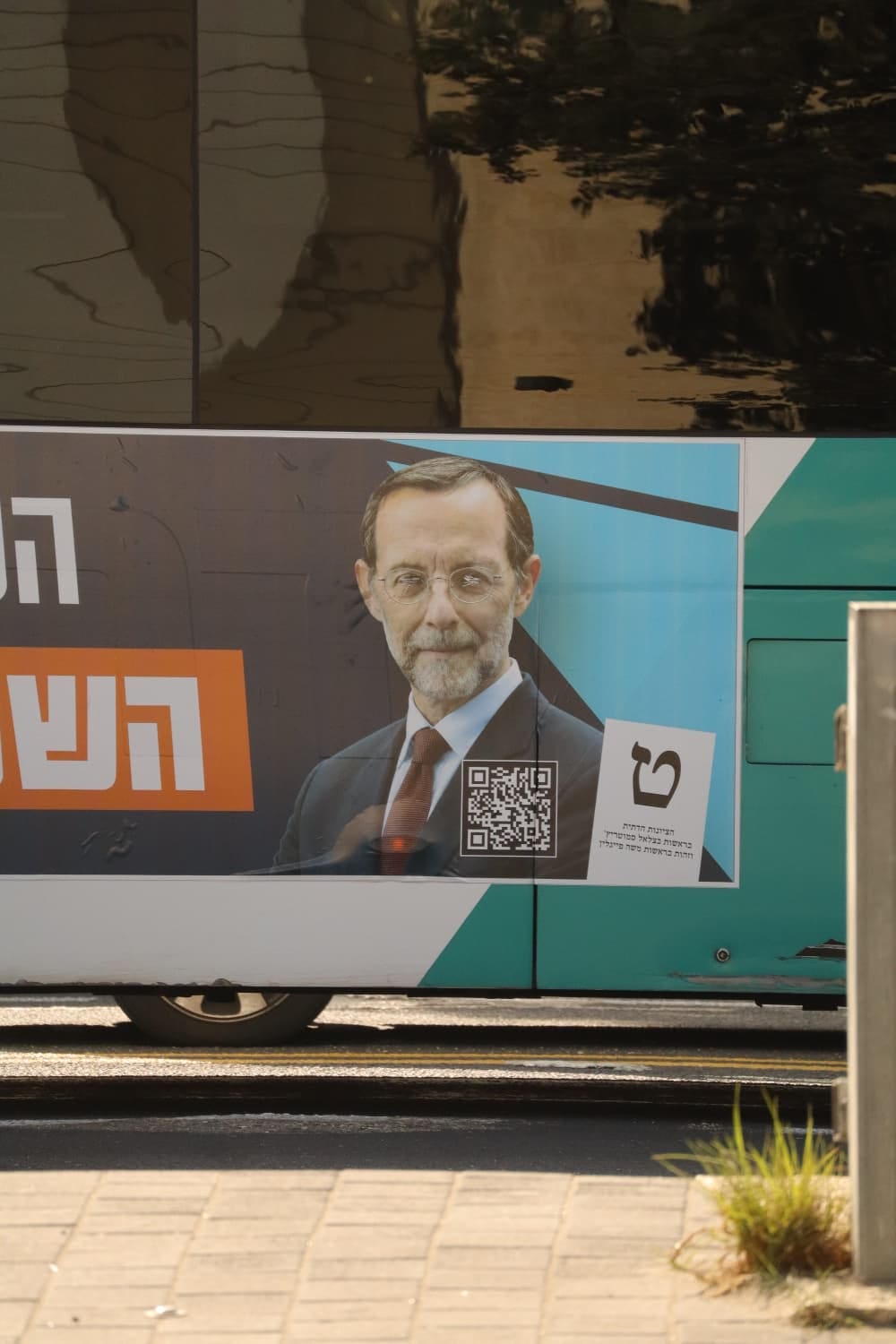
Multiple posters vandalized, ripped, and scratched out in the lead-up to the Israeli election. Oct. 23, 2026, in Jerusalem, Israel. (Sammy Jacobs/The Trogon)
When it comes to Israeli elections, the content of the political posters is only half the story. The other half lies in the vandalism of the posters. If a secular Israeli sees an advertisement for Shas, he might try to rip it off. If a Charedi sees a poster with Eisenkot or Ben-Gvir, he might paste a sticker telling people to vote “Gimel,” the Hebrew letter representing UTJ, instead. The extent to which political ads have been vandalized in Israel reflects how fractured and divided the Israeli public is right now. When people start scratching out the eyes of candidates they don’t like on posters throughout Israel, it signals an animosity that will last far beyond the election.
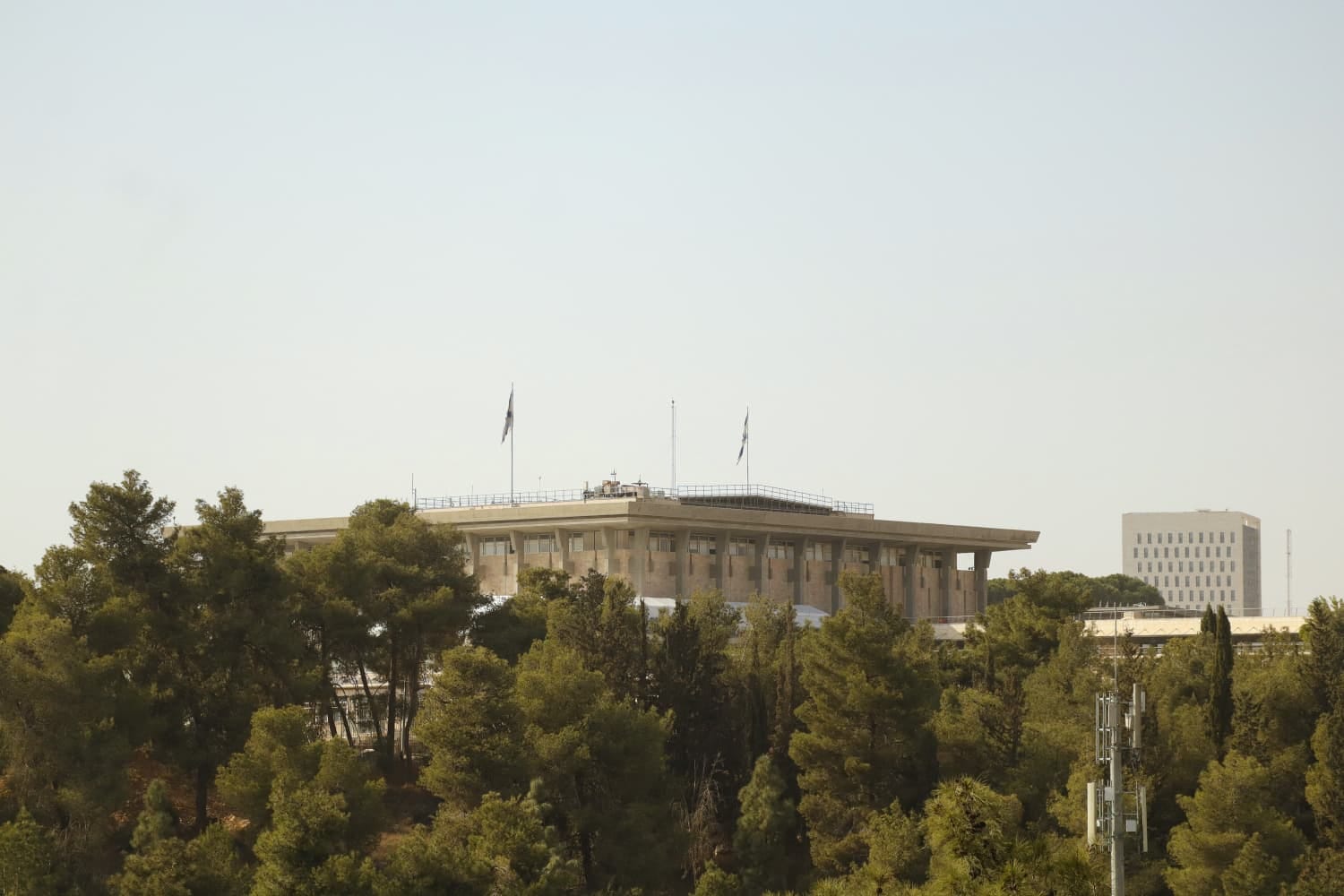
The Knesset building. Oct. 26, 2026, in Jerusalem, Israel. (Sammy Jacobs/The Trogon)
Today, Israelis are taking part in one of the most consequential elections in its history, and they know it. Election turnout is at its highest percentage since the 1970s and 1980s. Lines are forming, and the CEC has stated that it will keep polling stations open past the 10 P.M. deadline so “everyone will vote.” These votes will decide the future of who occupies the Knesset building, featured prominently in this photo, as well as how the country grapples with disinformation, a deeply divided population, and increasing polarization.
As always, let us know if you have any comments, questions, or concerns by emailing newsletter@thetrogon.com.
Have a good rest of your week!
Sincerely
The Trogon