


Hey! Thanks for reading The Trogon! Want more? Click here to access The Trogon: Middle East Briefs, a WhatsApp channel with near-daily summaries of what’s happening in the Middle East. Share and follow for the latest developments!

November 8, 2026
Issue #10
The Elections Are Over. Is the Iran War Next?
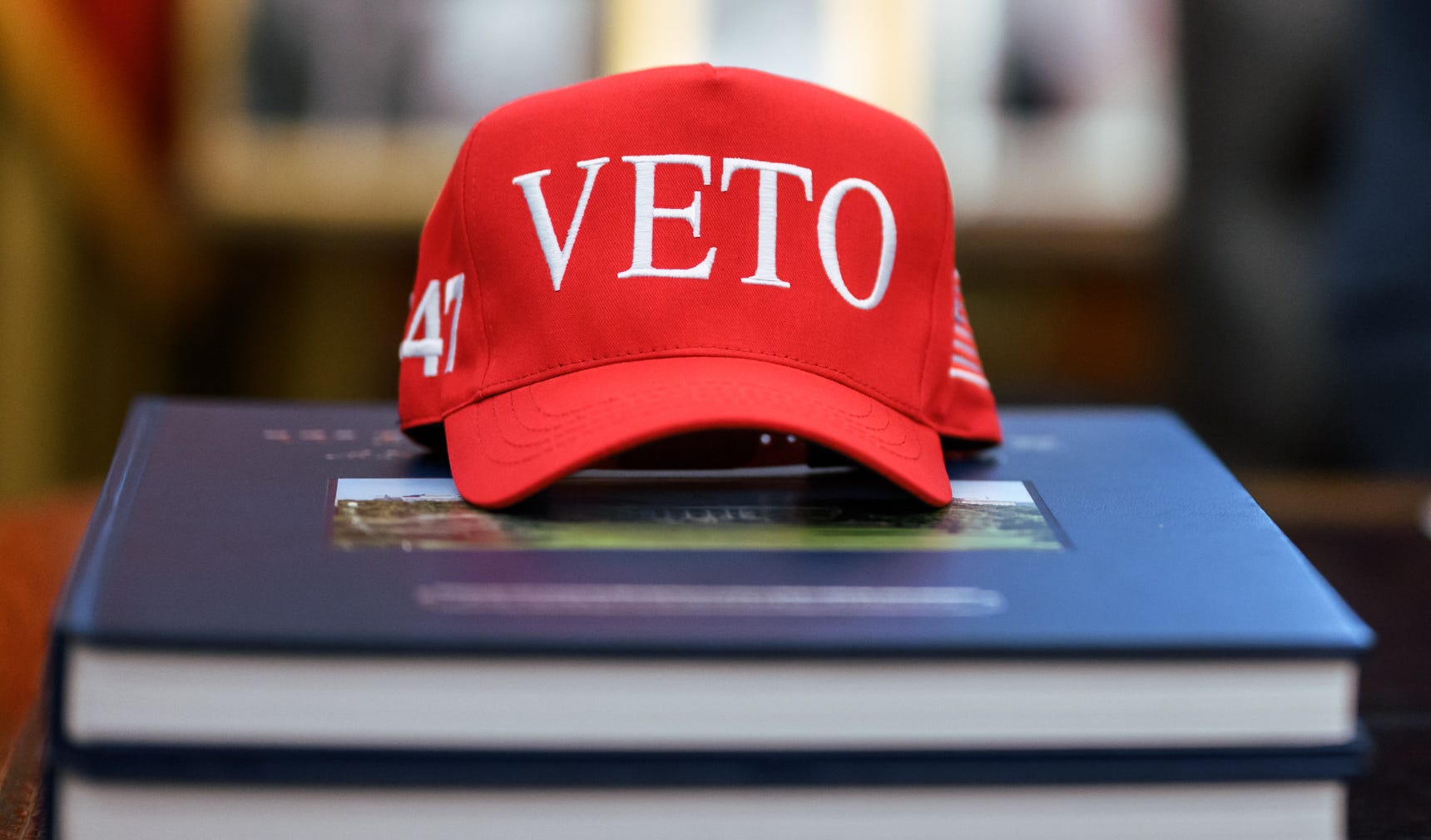
A MAGA hat altered to read “VETO” sits on the Resolute Desk of the Oval Office, Nov. 5, 2026 (Molly Riley, The White House)
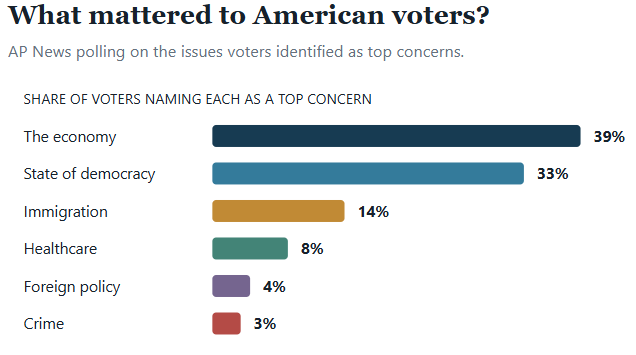
Reckoning: one word to describe two elections a week apart. In Israel, Prime Minister Benjamin Netanyahu’s party lost nine seats, Yashar, a new political party formed in opposition to Netanyahu, gained 21 seats, and a surge in Arab voters saw their parties nearly double in representation in the Knesset. In the United States midterm elections, Republicans lost at least 37 seats in the House of Representatives and seven seats in the Senate, the largest such loss in both legislatures in 32 years. According to polling from AP News, voters saw the economy, the state of democracy, and immigration as top concerns heading into the elections, reflecting broad sentiment against U.S. President Donald Trump and his key policies.
Both elections were described as resounding and definitive calls for change and will surely have far-reaching consequences for years to come. However, a more immediate effect of these elections could play out in Iran, where Trump has threatened to resume war after the election season. With both Trump and Netanyahu lacking a clear victory, the calculus going into a renewed war is more complicated than ever.
The U.S. government has enjoyed broad leeway in carrying out war against Iran, in large part due to a united Republican-led Congress. The U.S. Constitution grants Congress significant authority to authorize military conflicts, and with Trump holding significant influence over the party, Republicans consistently backed the President throughout the Iran War.
With the swearing-in of the 120th Congress on January 3rd, 2027, Trump will lose the crucial source of support that he’s enjoyed throughout the war. Further, this election saw the rise of democratic socialists and similarly progressive candidates who call for a restructuring of the U.S. relationship with Israel. Anti-Zionist candidates such as Senator-Elect Abdul El-Sayed of Michigan and Representative-Elect Darializa Avila Chevalier of New York spent their time on the campaign trail portraying American-Israeli relations as corrupt and morally bankrupt. They view the Trump administration as complicit in this alleged corruption and view that relationship as a major reason for the over $47 billion estimated cost of the Iran War. They argue that, instead of an effort promoting the freedom of navigation or democracy abroad, the Iran War is Israel’s conflict that the U.S. was dragged into due to pressure from Netanyahu’s government.
The Democratic agenda going into the next Congress will likely challenge some of the most fundamental parts of the American-Israeli alliance. Progressives seek to curb military cooperation in the Iran War, expand sanctions on Israeli politicians, and expand economic support for Gaza. Further, they will likely push for a resolution to explicitly limit the Pentagon’s ability to wage war against Iran, which means that Trump has limited time before an opposing Congress starts restricting his ability to conduct a major conflict in the Middle East.
On one hand, this could pressure Trump to resume the Iran War and achieve a victory that could help cement his legacy as he enters the final two years of his presidency, potentially encouraging a favorable view of the Republican Party heading into 2028. On the other hand, the Pew Research Center found that 65% of Americans disapproved of Trump’s handling of the U.S. military action against Iran, and so continuing the war might just dig a deeper hole for Trump and his political allies.
The results of the Israeli election further complicate a future decision to return to war, since the future of Israeli leadership remains unclear, as neither bloc has a clear path to a majority government in the Knesset, Israel’s legislature. If the U.S. returned to conflict, there would be a concern that a change in government would disrupt and subsequently undermine the war effort through a shift in Israeli military policy. Trump has enjoyed a close relationship with Netanyahu that has translated into a close relationship between their two countries; with a new prime minister, that relationship may change.
The question of resuming the Iran War is about more than restarting military operations. Rather, it’s inherently tied to how much American-Israeli relations will shift under an American electorate that is increasingly critical of U.S. support for Israel and the possibility of a new government in Jerusalem undermining an alliance that has largely revolved around its leaders.

As always, let us know if you have any comments, questions, or concerns by emailing newsletter@thetrogon.com.
Have a good rest of your week!
Sincerely
The Trogon